• Healthy fats, found in foods like avocados, nuts, seeds, and fatty fish, are essential for maintaining proper brain function, regulating hormones, and supporting cell growth. Omega-3 fatty acids, in particular, have been shown to reduce inflammation, improve heart health, and even boost mood. Incorporating these healthy fats into your diet is important not just for physical health but for mental clarity and overall vitality. Unlike unhealthy fats, these fats support the body’s ability to absorb fat-soluble vitamins and maintain healthy skin.

    On the other hand, unhealthy fats, including trans fats and excessive saturated fats, can have a negative impact on health when consumed in large amounts. Trans fats, commonly found in processed snack foods, baked goods, and fried foods, have been shown to increase bad cholesterol levels while lowering good cholesterol, contributing to the development of cardiovascular disease. Saturated fats, found in red meat, butter, and full-fat dairy products, can also raise LDL cholesterol, increasing the risk of heart disease. Moderation is key when it comes to fat intake, and prioritizing healthy fats will keep your body functioning at its best.


  • When it comes to nutrition, whole foods such as fruits, vegetables, lean proteins, and whole grains are some of the best choices you can make. These foods are packed with essential vitamins, minerals, fiber, and antioxidants that promote good health. Whole foods are also typically less calorie-dense, meaning they fill you up with fewer calories, which can help manage weight and improve overall well-being. Incorporating a variety of colorful fruits and vegetables into your meals ensures you get a wide range of nutrients that support immune function, digestion, and even mood regulation.

    On the flip side, processed foods—like chips, sugary cereals, and fast food—often contain high amounts of unhealthy fats, sugars, and refined carbohydrates. These ingredients can spike blood sugar levels, increase inflammation, and contribute to weight gain. Regular consumption of processed foods is linked to chronic health conditions such as heart disease, diabetes, and obesity. While these foods might be convenient or taste good in the moment, they don’t provide the body with the nourishment it needs to thrive long-term.

  • Gene therapy holds immense promise for treating genetic disorders and diseases. By correcting or replacing defective genes, it aims to address the root causes of conditions such as cystic fibrosis, hemophilia, and certain types of cancer. Recent advancements in CRISPR technology and other gene-editing techniques have accelerated research and development in this field, offering hope for patients with previously untreatable conditions.

    However, ethical considerations and safety concerns remain prevalent in discussions about gene therapy. Questions about the long-term effects and the implications of altering human DNA continue to spark debate among scientists, ethicists, and policymakers. As research progresses, ongoing dialogue about the ethical frameworks surrounding gene therapy will be essential to ensure responsible advancements. For more detailed information, refer to the National Institutes of Health (NIH) at NIH Gene Therapy.

  • Telemedicine has revolutionized healthcare delivery, particularly in the wake of the COVID-19 pandemic. It allows patients to consult healthcare providers remotely, making healthcare more accessible and convenient. Many individuals have benefited from the ability to receive medical advice and treatment without the need for in-person visits, which can be especially beneficial for those with mobility issues or living in remote areas.

    Despite its advantages, telemedicine also presents challenges, including concerns about privacy and the quality of care. Ensuring that healthcare providers are adequately trained in telemedicine technologies and maintaining the security of patient information are crucial for its continued success. As technology advances, telemedicine is likely to remain a vital component of healthcare systems worldwide. For more insights, explore the American Telemedicine Association at ATA Telemedicine.

  • Nutrition plays a pivotal role in disease prevention and overall health maintenance. A balanced diet rich in fruits, vegetables, whole grains, and lean proteins can help lower the risk of chronic diseases such as heart disease, diabetes, and certain cancers. The Centers for Disease Control and Prevention (CDC) emphasizes the importance of healthy eating patterns and physical activity for reducing these risks.

    Moreover, emerging research suggests that specific nutrients can support immune function and mental health. For instance, omega-3 fatty acids have been linked to reduced inflammation and improved brain health. Public health initiatives focusing on nutrition education and accessibility can empower individuals to make healthier food choices. For more information, visit the CDC’s nutrition page at CDC Nutrition.

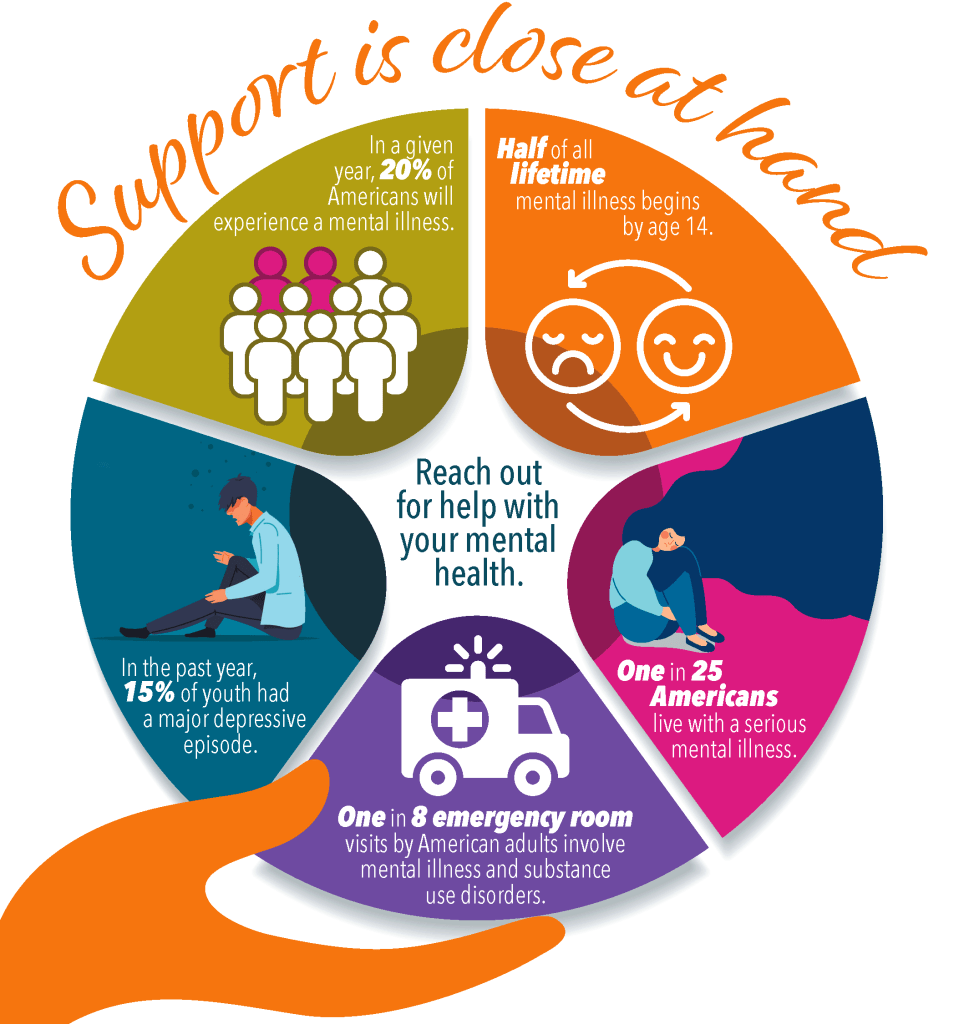
  • Mental health is a crucial aspect of overall well-being, yet it often goes overlooked in discussions about health. Conditions such as depression, anxiety, and bipolar disorder can significantly impact an individual’s quality of life and ability to function daily. The National Institute of Mental Health (NIMH) highlights that mental health disorders are common, affecting millions of people across different demographics, and underscores the importance of awareness and education.

    Effective treatment options are available, including therapy, medication, and lifestyle changes. However, stigma surrounding mental health issues can prevent individuals from seeking help. Raising awareness, encouraging open conversations, and providing access to resources are essential steps toward improving mental health outcomes. For further details, check out the NIMH website at NIMH Mental Health.

  • Vaccination has been one of the most significant public health achievements in history, preventing millions of deaths each year. Vaccines work by stimulating the immune system to recognize and combat pathogens, thereby reducing the incidence of diseases such as measles, polio, and influenza. The World Health Organization (WHO) emphasizes that vaccination not only protects individuals but also contributes to community immunity, making it crucial for public health.

    Despite the overwhelming evidence supporting their safety and efficacy, vaccine hesitancy remains a challenge. Misinformation and fear can lead to lower vaccination rates, resulting in outbreaks of preventable diseases. It’s essential for healthcare providers to engage with patients, addressing concerns and highlighting the benefits of vaccines to encourage higher vaccination uptake. For more information, visit the WHO’s vaccine page at WHO Vaccination.

  • Rest and recovery are crucial components of a soccer player’s training regimen, significantly impacting performance and long-term health. During intense training sessions and matches, players put immense strain on their bodies, leading to muscle fatigue, microtears, and potential overuse injuries. Adequate rest allows the body to repair itself, rebuilding muscle tissue and replenishing energy stores. This recovery period is essential for maintaining peak performance, as it helps prevent burnout and ensures that players are physically prepared for upcoming games and training sessions.

    Moreover, recovery is not just about physical rest; it also encompasses mental recuperation. The demands of competitive soccer can be mentally taxing, and taking time to recharge helps players maintain focus and motivation. Incorporating practices such as active recovery, stretching, and adequate sleep can enhance overall well-being, enabling athletes to perform at their best. Proper recovery strategies, including hydration, nutrition, and techniques like foam rolling or massage, further aid in reducing muscle soreness and stiffness. By prioritizing rest and recovery, soccer players can optimize their performance, minimize the risk of injuries, and enjoy a longer, healthier career in the sport.

  • Playing soccer offers numerous mental health benefits that contribute to overall well-being. One of the most significant advantages is the boost in mood that comes from physical activity. Engaging in soccer releases endorphins, often referred to as “feel-good” hormones, which can reduce feelings of stress and anxiety. The fast-paced nature of the game also provides an outlet for pent-up energy and frustration, allowing players to experience a sense of relief and heightened happiness. Additionally, the social aspect of playing on a team fosters a sense of belonging and camaraderie, which can combat feelings of loneliness and depression.

    Moreover, soccer encourages the development of essential life skills, such as teamwork, communication, and resilience. Players learn to work together towards a common goal, enhancing their ability to cooperate and support others, which can translate to improved relationships outside of the game. The strategic elements of soccer also promote mental agility, as players must think quickly and make decisions in high-pressure situations. This cognitive engagement can help sharpen focus and improve problem-solving skills. Overall, the mental health benefits of playing soccer extend far beyond the field, offering players tools to navigate challenges in daily life while enhancing their emotional well-being.

  • Proper nutrition is vital for soccer players, as it provides the energy and nutrients necessary for optimal performance on the field. Carbohydrates are the primary fuel source, supplying the quick energy needed for sprinting, dribbling, and maintaining stamina throughout a match. Foods such as whole grains, fruits, and vegetables offer complex carbohydrates that release energy gradually, helping players sustain their performance over 90 minutes. Additionally, protein plays a crucial role in muscle repair and recovery, allowing players to build strength and prevent injuries. Lean meats, dairy products, legumes, and nuts are excellent sources of protein that should be included in a soccer player’s diet.

    Hydration is equally important, as even mild dehydration can impair performance and increase the risk of injury. Soccer players should be proactive about fluid intake before, during, and after games and training sessions, opting for water or electrolyte-rich drinks to replenish lost fluids. Micronutrients, such as vitamins and minerals, are also essential for overall health and energy production. Incorporating a variety of colorful fruits and vegetables ensures that players receive the necessary nutrients to support their immune systems and enhance recovery. By prioritizing a balanced diet that includes the right proportions of carbohydrates, proteins, and healthy fats, soccer players can optimize their performance and longevity in the sport.